Our Approach
Investigation as a Practice
The paranormal field has a noise problem. Too many devices built to sell, not to measure. Too many investigations built to entertain, not to discover. Too much performed drama and not enough patient, methodical presence in a room.
We are not that. We go to locations because they deserve to be taken seriously. We bring instruments because we believe the data matters. We document what we find and we sit with what we can't explain — without forcing it into a narrative that fits.
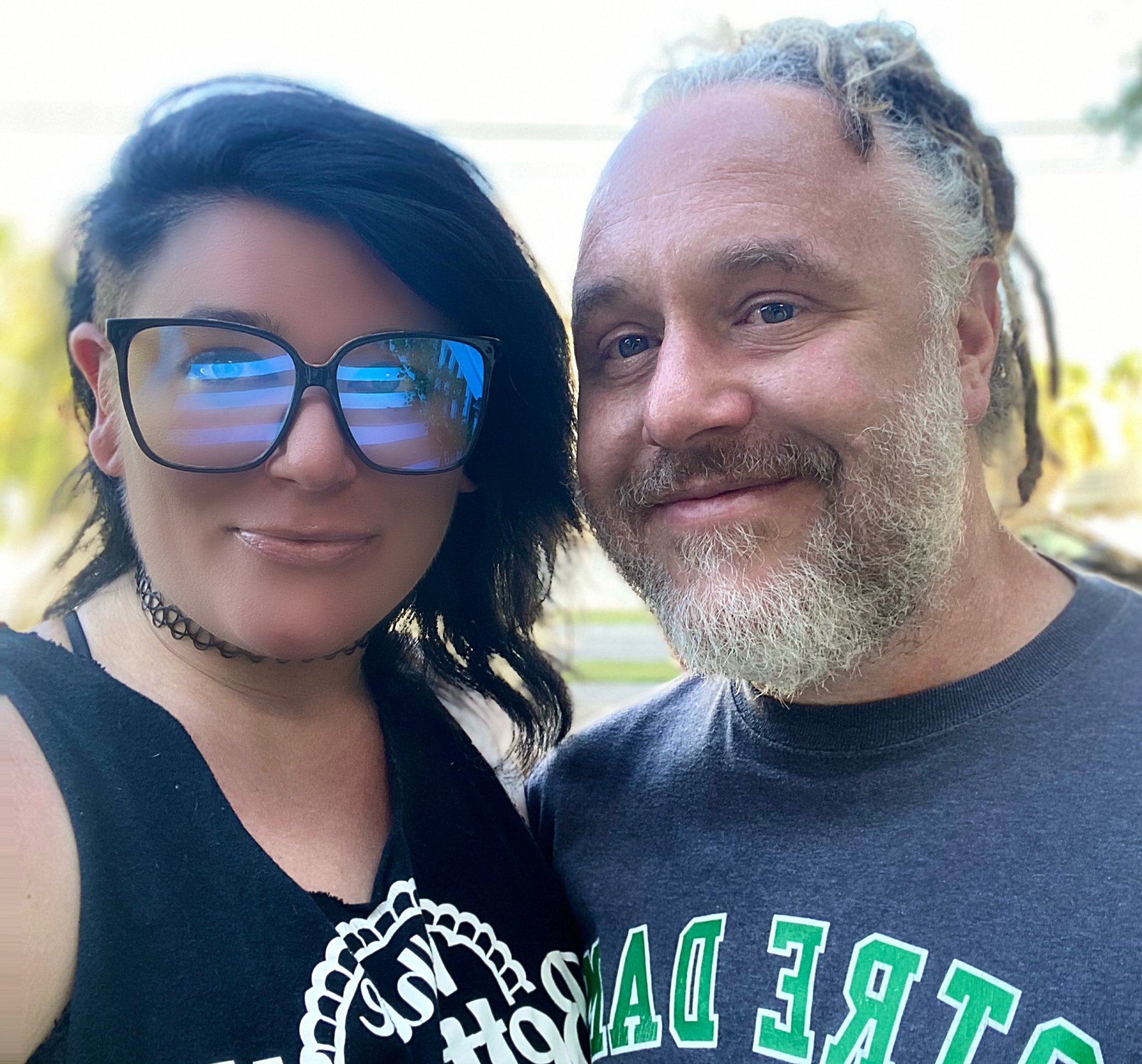
Jesse and Benjamin have investigated together across Appalachia and beyond, drawn to locations with genuine histories of unexplained activity. Their approach is grounded in environmental awareness, non-provocative engagement, and the kind of quiet patience that most investigation teams don't have.
"If something is happening, it will show up in the data. If it doesn't show up in the data, we need better instruments. That's why we build them."
We don't declare something paranormal until we've exhausted every rational explanation. The data leads. We follow.
We don't taunt, antagonize, or perform. If something is present, it doesn't need to be provoked to be detected.
Every investigation begins with a thorough environmental baseline. You can't identify an anomaly if you don't know what normal looks like.
For the locations. For the people connected to them. For whatever may or may not be present. Respect is non-negotiable.
Off-the-shelf tools weren't built for serious investigation. Ours were.
We report what we find — including the sessions where nothing happened. Negative results are still results.
Our Initiatives
ParanormAF & Paranominals
ParanormAF
ActiveParanormAF is Jesse and Benjamin's paranormal investigation initiative — built on the principle that the field deserves to be taken as seriously as any other area of empirical inquiry. The name is deliberate. The approach is anything but casual.
ParanormAF investigations are methodical, patient, and grounded in environmental data collection. Jesse leads the initiative's direction and human element — the ability to read a location, connect with its history, and maintain the kind of calm, respectful presence that produces better results than aggression ever could. Benjamin provides the technical infrastructure, the instrumentation, and the analytical framework.
Together they investigate locations across Appalachia and beyond, drawn by genuine reports of unexplained activity and a shared conviction that the truth of what happens in those places is worth pursuing carefully.
Paranominals
DevelopingParanominals is the broader platform — a concept and community space built around exploring unexplained phenomena through a structured, thoughtful lens. Where ParanormAF is the investigation, Paranominals is the framework around it: the methodology, the documentation, the conversation about what we find and what it might mean.
Jesse's vision for Paranominals centers on something the field rarely gets right — grounding the investigation of the unexplained in human experience. Not just data, but the people connected to the locations. Not just anomalies, but the stories that surround them. Not just findings, but what those findings mean to the communities that live with them.
Paranominals is in active development as a platform. More coming.
The Instrument
The Besjee Box in the Field
The Besjee Box exists because the tools available to independent investigators weren't good enough. Most commercial paranormal devices are designed to react dramatically, not to measure accurately. They are built for television, not for truth.
Jesse's original concept was straightforward: build something that captures what's actually happening in a location — the full environmental picture — and presents it in a way that investigators can actually work with in the field. Benjamin took that concept and engineered it into a continuously evolving instrument that does exactly that.
The current generation incorporates multi-sensor environmental analysis, real-time data interpretation, dedicated AI and machine learning processing, and advanced audio analysis — giving field investigators a level of data fidelity that simply wasn't available to independent researchers before.
It is not a toy. It is not a prop. It is a research instrument, and it is treated like one.
Full Technical OverviewBuilt to Measure, Not to Perform
The Besjee Box was designed around a single question: if something anomalous is happening in this location, what would the data actually look like — and do we have the instruments to capture it?
Every design decision follows from that question. Sensitivity levels exist because different environments require different detection thresholds. Multi-factor analysis exists because no single sensor tells the complete story. AI processing exists because pattern recognition at the speed and scale required for field investigation is beyond manual analysis.
The Besjee Box is the instrument we wished existed. So we built it.